
Our Performance Analysis Diagnostics in High Wycombe help drivers investigate loss of power, poor fuel economy, hesitation, rough idling and changes in engine response. Using computerised diagnostic equipment and relevant vehicle data, we assess how key systems are operating before recommending the right next step.
Call 07882 473374 or email hwmot@hotmail.com to discuss the performance issues you are experiencing.
Modern vehicles rely on sensors and electronic control units to monitor engine performance, fuelling, airflow, emissions and other operating conditions.
Performance analysis uses diagnostic information alongside the symptoms you have noticed to assess whether these systems are operating as expected. Depending on the vehicle and fault, this may involve reviewing stored fault codes, sensor data, fuel trim, airflow information, throttle response and idle behaviour.
This can help when a vehicle still runs but no longer performs normally.
Arrange an assessment if you notice symptoms such as:
These symptoms can have several possible causes. A loss of power, for example, may relate to airflow, fuelling, ignition, emissions, sensors or another mechanical or electronic issue.
A structured diagnostic assessment helps narrow down the affected system rather than replacing parts based on guesswork.
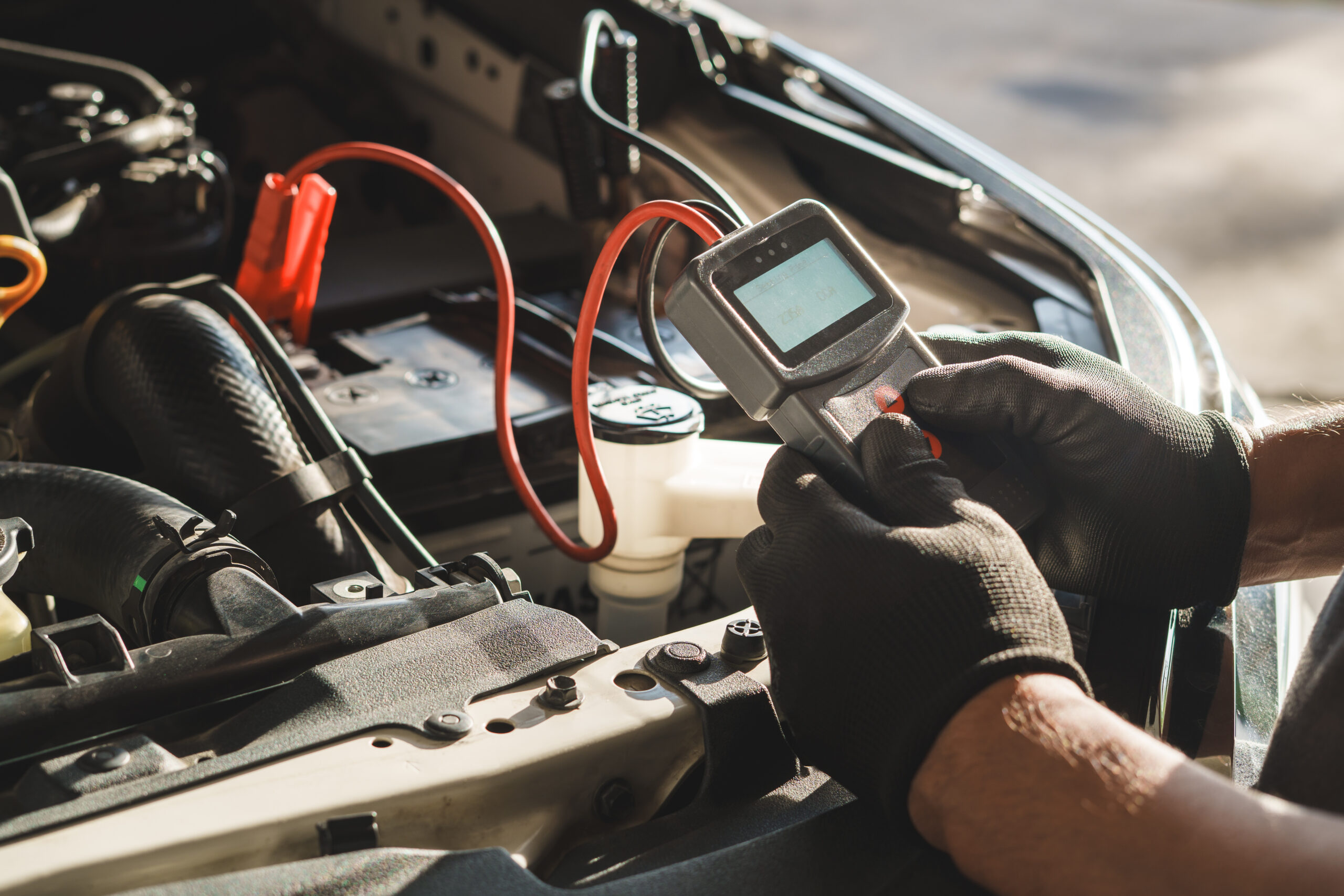
A noticeable reduction in power may appear gradually or suddenly. You may experience slower acceleration, hesitation or difficulty maintaining normal performance.
Diagnostic information can help identify whether an engine-management or related system is reporting a fault and whether further checks are needed.
Modern engine systems continually adjust the air and fuel mixture to support efficient operation.
Where appropriate, fuel trim data can provide useful information when investigating increased fuel consumption, rough running or changes in engine behaviour.
Unusual readings can guide further checks but do not always confirm a failed component by themselves.
Airflow information can be important when investigating hesitation, poor fuel economy or reduced engine performance.
Where relevant, we can assess diagnostic data linked to airflow and related sensors before determining whether additional inspection is required.
Changes in throttle response or idle stability can make a vehicle feel noticeably different to drive.
We can review relevant diagnostic information when investigating sluggish acceleration, uneven idling, stalling or inconsistent engine response.
Performance symptoms often overlap.
A vehicle that feels underpowered could have an issue involving sensors, airflow, fuelling, ignition, emissions or another system. Poor fuel economy can have similarly varied causes.
Professional testing provides a clearer basis for investigation and can help:
A diagnostic assessment does not mean you have to proceed with repairs. We explain the findings and discuss the available next steps before any additional work begins.
We begin by asking what has changed and when you notice the problem.
Useful details include whether the issue occurs during acceleration, whether fuel economy has changed, if a warning light is present and whether the fault is constant or intermittent.
We connect suitable diagnostic equipment and check for relevant stored or active fault codes.
Not every performance problem produces a warning light, so further assessment may still be useful even if the dashboard appears normal.
Depending on the symptoms and vehicle, we may review relevant operating information such as fuel trim, airflow, throttle response, idle behaviour and sensor readings.
This information is assessed alongside the symptoms rather than treated as a diagnosis on its own.
Where needed, further checks may involve related sensors, electrical connections, emissions components or mechanical systems.
If the issue appears electrical, our electrical system checks may support the investigation.
Once the assessment is complete, we explain which systems were checked, what the diagnostic information indicates and whether further work may be required.
If repairs are recommended, we provide a quotation and do not proceed without your approval.
Our diagnostic services are built around practical fault finding, experienced workmanship and straightforward communication.
High Wycombe MOT Centre Ltd is IMI certified and led by a Level 3 qualified mechanic with more than 15 years of industry experience. Our team uses modern diagnostic equipment to investigate vehicle faults and can provide MOT testing, servicing and repairs from the same workshop.
Customers choose us for:
Performance diagnostics are carried out at our Abbey Barn Road workshop for drivers across High Wycombe and surrounding areas, including:
It can involve reviewing fault information and relevant operating data relating to areas such as engine performance, airflow, fuelling, throttle response and idle behaviour.
Yes. Diagnostic testing can help identify whether an engine-management or related system is reporting a problem and guide any further investigation needed.
They can help investigate systems that may contribute to increased fuel use, although further mechanical or electrical checks may sometimes be required.
Some faults linked to emissions or monitored vehicle systems can affect an MOT result. Official requirements are set out in the DVSA MOT inspection manual.
Some warning lights linked to safety and emissions systems can affect the MOT result.
Yes, where the required work falls within our mechanical, electrical, braking, emissions, or servicing capabilities.
If your vehicle has lost power, started using more fuel or no longer feels as responsive as it should, performance analysis can help identify where the problem may lie.
Our technicians combine computerised diagnostic information with practical fault finding to explain the issue clearly and recommend the appropriate next step.
Call 07882 473374 or email hwmot@hotmail.com to discuss your vehicle.

At High Wycombe Mot Centre Ltd, we are dedicated to ensuring the safety and reliability of your vehicle. Our experienced technicians and state-of-the-art facilities make us your trusted partner for MOT services and repairs.